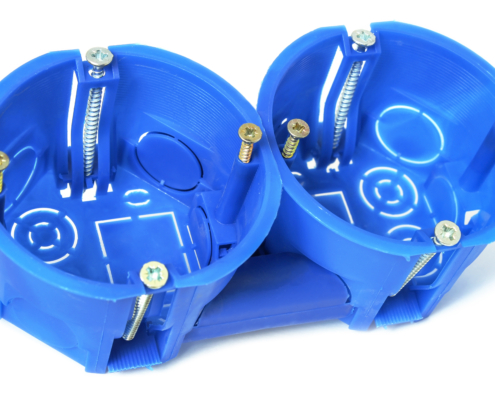
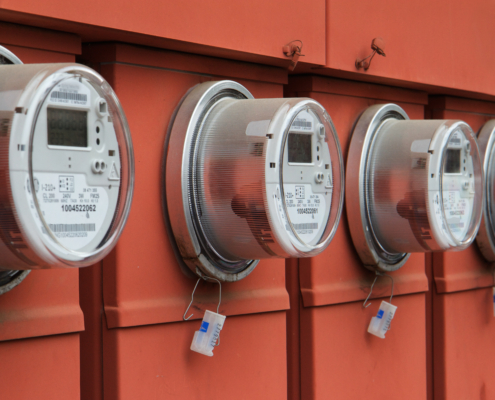
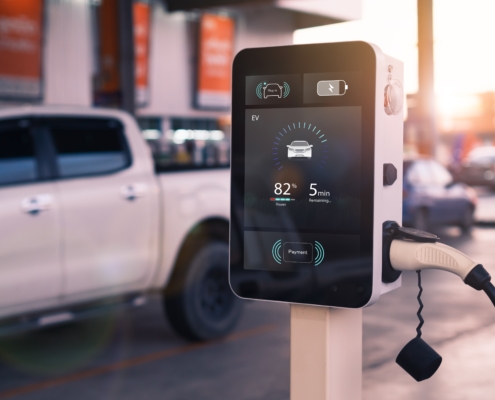
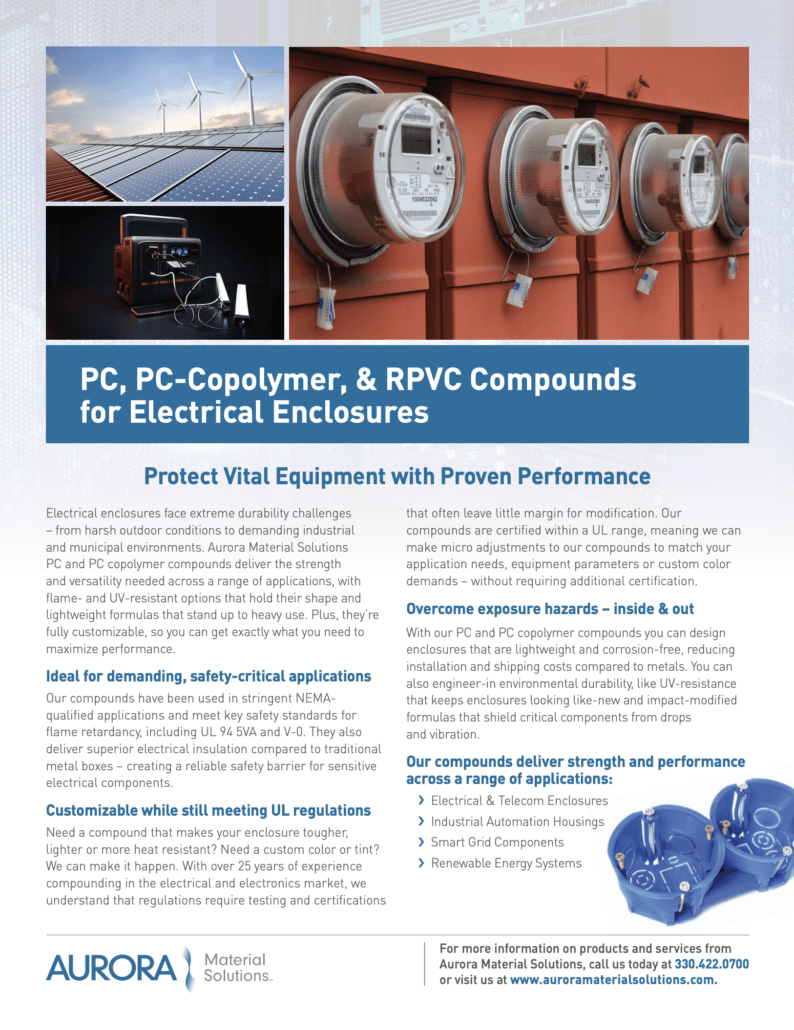
Enclosure compound selection determines product certification eligibility, impact performance, flame safety, environmental protection ratings, aesthetic quality, and service life. Each enclosure application has unique requirements for impact resistance, temperature range, chemical exposure, UV stability, and ingress protection. Choosing the wrong compound risks failed UL/NEMA testing, field failures, warranty exposure, and lost customer confidence.
- Impact & NEMA Performance: Enclosure compounds must deliver the impact, crush, and ingress protection required for specific NEMA ratings. NEMA 4X demands resistance to corrosion, windblown dust, rain, splashing water, and hose-directed water. Higher ratings like NEMA 6P require submersion resistance
- Flame Safety: UL 508A industrial control panel enclosures and UL 94 V0 flame ratings require self-extinguishing compounds that prevent electrical faults from causing external fires. Non-halogenated options are increasingly specified for indoor applications
- UV & Outdoor Durability: Outdoor enclosures face continuous UV exposure that degrades standard plastics within years. UV-stabilized PC, PC/ASA, and ASA compounds maintain structural integrity and appearance across decade-long outdoor service
- Material Selection Complexity: PC offers the highest impact but has limited chemical resistance. ABS provides cost-effective toughness. PC/ABS balances both. PBT delivers chemical resistance. PC/ASA adds weatherability. Understanding these tradeoffs is essential for optimal enclosure performance
- RF Transparency: Unlike metal enclosures, thermoplastic compounds are transparent to Wi-Fi, Bluetooth, RFID, cellular, and other wireless signals, critical for IoT devices, wireless access points, and smart infrastructure enclosures
Our AuroraGuard™, AuroraTec™, and AuroraShield™ product families include PC (polycarbonate), PC/ABS, ABS, MABS, PBT, PC/PBT, PC/PET, PC/ASA, ASA, PEI, and TPU composites.