What Are the Best Wear-Resistant Coatings for Farm Equipment?
Agricultural machinery operates in some of the harshest conditions imaginable. Tractors, harvesters, and tillage equipment face constant exposure to abrasive soils, corrosive fertilizers, and extreme weather that accelerate wear and tear. Selecting the right protective coating can mean the difference between equipment that lasts decades and machinery that requires costly repairs after just a few seasons.
Modern coating technologies have evolved significantly, offering agricultural operations multiple options for extending equipment life while reducing maintenance costs. From self-lubricating PTFE formulations to impact-resistant polyurea systems, understanding the strengths of each coating type helps equipment managers make informed decisions that protect their investments.
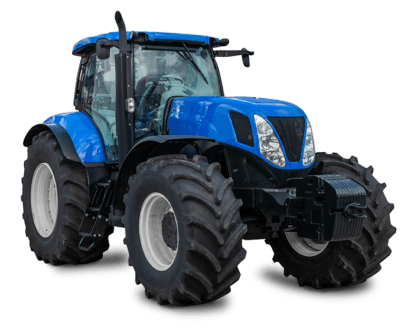
Why Protective Coatings Matter in Agricultural Applications
Farm equipment faces a unique combination of challenges that traditional industrial coatings may not adequately address. Equipment encounters abrasive debris, agricultural fertilizers, and moisture that can quickly deteriorate unprotected surfaces. The farming industry invests in billions of dollars of equipment annually, making coating selection a critical economic decision.
According to industry research, proper protective coatings can extend equipment service life by 40 to 60% while significantly reducing unplanned downtime. High-performance coatings create an impenetrable barrier against moisture, chemicals, and abrasive materials, protecting the underlying metal substrate from premature failure.
Top Coating Technologies for Agricultural Equipment
Polyurea Coatings
Polyurea coatings have emerged as one of the most versatile protective solutions for agricultural applications. These high-performance coatings provide exceptional resistance to abrasion and are considered among the strongest protective coating types commercially available. Polyurea creates a chemically inert barrier that resists even harsh chemicals like oils, solvents, and strong acids commonly found in agricultural environments.
One significant advantage of polyurea systems is their rapid cure time, allowing equipment to return to service quickly after application. The coating bonds to almost any substrate and provides up to decades of protection against most types of wear and weathering. For farm equipment regularly exposed to fertilizer sprays and chemical treatments, polyurea offers unmatched chemical resistance.
Epoxy Coatings
Epoxy coatings are widely recognized for their exceptional adhesion, chemical resistance, and durability in agricultural settings. Agricultural equipment such as mixers, conveyors, and grain bins are often exposed to corrosive materials and cleaning agents. Epoxy formulations add an extra layer of defense against corrosion while extending equipment lifespan and reducing maintenance requirements.
Modern epoxy systems also offer high impact resistance, protecting equipment from physical damage during agricultural operations. Ceramically reinforced zinc-rich epoxy formulations target the maintenance market with enhanced corrosion protection.
Nylon Coatings
Nylon coatings are known for their exceptional toughness and resistance to abrasion, making them particularly suitable for agricultural equipment exposed to intense wear and tear. These coatings provide excellent resistance to the fertilizers, herbicides, and pesticides commonly used in farming operations.
Nylon formulations offer superior adhesion to various substrates, ensuring the coating remains intact during demanding agricultural operations. The high impact resistance of nylon coatings reduces the risk of dents, scratches, and corrosion on equipment components. Applications include plows, harvesters, tillage equipment, and any components subjected to repeated soil contact.
PTFE (Polytetrafluoroethylene) Coatings
PTFE coatings, commonly known by the brand name Teflon, offer unique advantages for agricultural applications requiring low friction and self-lubricating properties. PTFE has one of the lowest coefficients of friction of any solid material, making it ideal for components that experience sliding or rotating contact. When used as a lubricant, PTFE reduces friction, wear, and energy consumption of machinery.
Research has demonstrated that PTFE composite coatings can reduce friction coefficients by 70 to 80% compared to uncoated surfaces. For grain conveyors, planters, hoppers, and other equipment where material sticking is problematic, PTFE’s non-stick properties prevent clogging and improve operational efficiency. The coating operates effectively at temperatures up to 500°F with excellent chemical stability.
E-Coating (Electrodeposition)
E-coating is a specialized electrostatically applied protective layer that offers exceptional corrosion resistance for agricultural components. The application process deposits the coating uniformly across complex geometries, reaching areas that spray application might miss.
E-coating creates a consistent finish that improves appearance while ensuring proper performance. It helps reduce equipment wear from everyday use and harsh conditions. Parts like plows and harvesters last significantly longer when protected with e-coating technology.
Powder Coatings
Powder coating technology has advanced significantly for agricultural applications. Superdurable triglycidyl isocyanurate (TGIC) polyester powders provide color and gloss retention along with corrosion resistance in a single application. With proper metal pretreatment, powder-coated parts can achieve 750 hours of salt spray resistance with minimal degradation.
Agricultural equipment components such as ladders, undercarriage parts, and add-on equipment are well-suited for powder coating applications. The thermally cured finish provides excellent chip resistance and durability. Modern polyurethane and powder coating formulations deliver durable, high-quality finishes across a range of agricultural materials.
Selecting the Right Coating for Your Application
Coating selection depends on the specific operating conditions and performance requirements of each application. For components requiring maximum abrasion resistance, polyurea and nylon coatings offer superior durability. Applications involving chemical exposure benefit from epoxy’s excellent resistance to acids and fertilizers. PTFE coatings excel where friction reduction and material release properties are priorities.
Consider the operating temperature range, chemical exposure profile, and mechanical stresses your equipment encounters. Consulting with coating specialists ensures optimal material selection and proper application techniques that maximize protection and coating longevity.