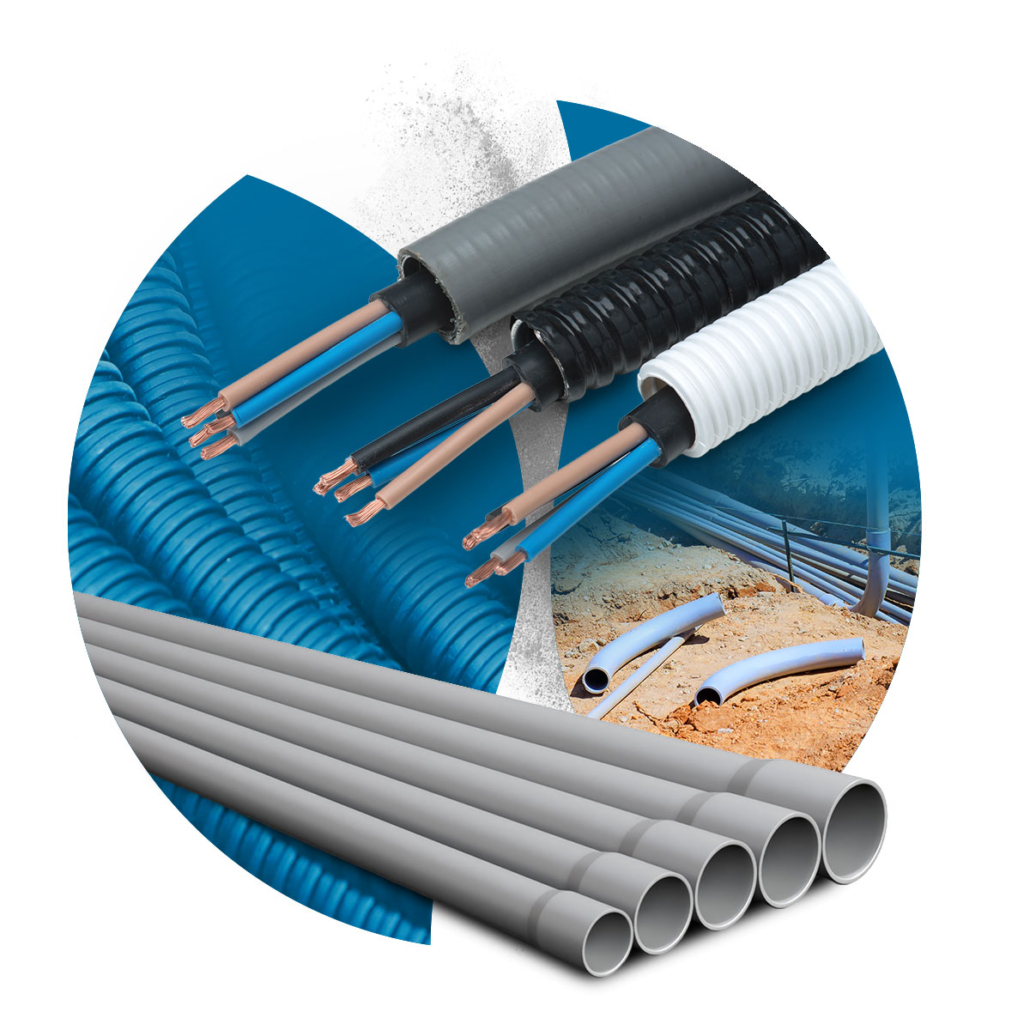
Designed for the extrusion process with a wide processing window, these compounds are available in pellet or powder form in a wide range of colors for residential, commercial, industrial, telecommunications, and infrastructure conduit applications.
PVC conduit compound selection directly impacts product certification, mechanical performance, installation reliability, and long-term service life. The compound must meet strict cell classification requirements under ASTM D1784 for impact resistance, tensile strength, modulus of elasticity, deflection temperature, and flammability. The wrong compound formulation can result in UL listing failures, field performance issues, and code compliance violations that halt projects and damage manufacturer reputation.
- UL 651 & ASTM D1784 Compliance: Conduit compounds must meet or exceed ASTM D1784 cell classification 12123 for impact resistance, tensile strength (minimum 6,500 psi), modulus of elasticity (minimum 400,000 psi), and deflection temperature to achieve UL 651 listing
- Mechanical Performance: Schedule 40 and Schedule 80 conduit require different impact, crush, and deflection performance levels. Schedule 80 wall thickness is 34–54% thicker than Schedule 40, demanding compounds that maintain consistent extrusion across varying wall profiles
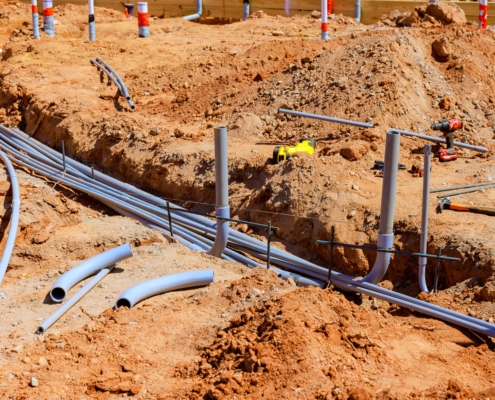
- Environmental Durability: Outdoor, direct burial, and concrete-encased installations require UV resistance, low water absorption, and chemical stability to maintain performance over decades of service
- Processing Consistency: High-volume conduit extrusion demands compounds with wide processing windows, consistent melt behavior, and reliable batch-to-batch quality to minimize scrap and downtime
- NEC Compliance: NEC Article 352 governs rigid PVC conduit installation. Compound properties directly affect listing eligibility, temperature ratings, and approved installation environments