Choosing the right flexible compound is critical because the chemistry, processing characteristics, and performance properties vary significantly across TPE, TPO, SEBS, CPE, flexible PVC, and LSZH formulations.
- Diverse Chemistry Options: Each flexible compound family offers distinct advantages. SBS/SEBS deliver rubber-like elasticity and recyclability. TPO provides chemical resistance and flame retardancy. CPE alloys offer oil and solvent resistance. LSZH compounds meet fire safety requirements. Understanding these differences is essential for optimal material selection.
- Processing Compatibility: Flexible compounds must match your manufacturing process, whether injection molding, extrusion, blow molding, or overmolding. Processing parameters including melt temperature, flow characteristics, and cycle times vary significantly between compound families.
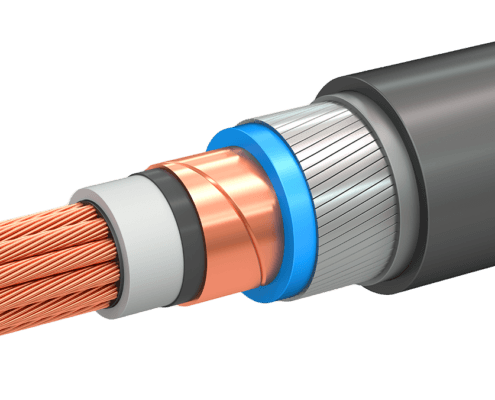
- Regulatory Requirements: Different industries demand specific certifications. Wire and cable require UL flame ratings. Medical devices need FDA and biocompatibility compliance. Food contact demands FDA, NSF, and Prop 65 compliance. Your compound must meet every applicable standard.
- Cost Optimization: Flexible PVC can provide a cost-effective alternative to TPEs for many applications, while TPE recyclability and faster processing can reduce total cost of ownership in other scenarios. Aurora helps you evaluate total cost, not just material price.
The wrong material choice can lead to processing failures, regulatory non-compliance, premature product failure, or unnecessary material costs. Aurora’s technical team helps you navigate these decisions to find the compound that delivers the optimal balance of performance, processability, compliance, and cost for your specific application.