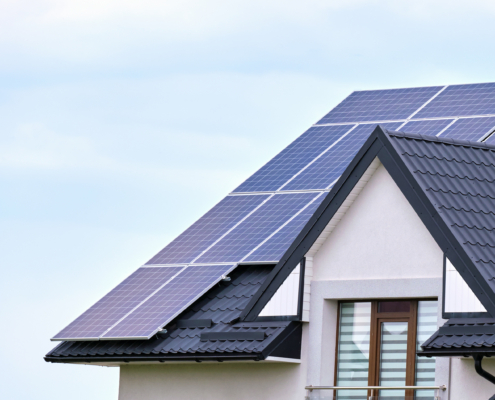
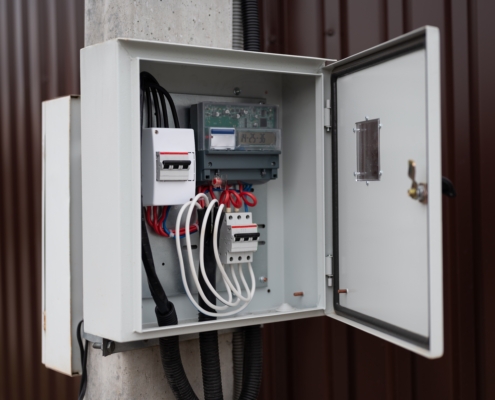
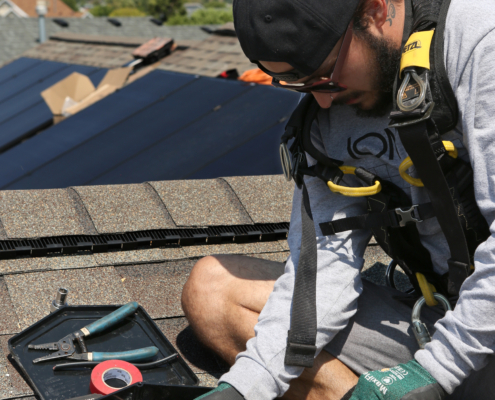
Solar installations operate in some of the most demanding outdoor environments imaginable: continuous UV radiation, extreme temperature swings from desert heat to arctic cold, coastal salt spray, and relentless moisture exposure. Materials must perform reliably for 25+ years without maintenance, replacement, or degradation. The wrong material choice leads to premature component failure, costly field replacements, safety hazards, and warranty exposure across large installed fleets.
- Continuous UV Exposure: Solar components experience more UV radiation than virtually any other application. Standard plastics chalk, crack, and embrittle within years. Only UV-stabilized compounds deliver the 25+ year performance solar projects require
- Fire Safety Compliance: NEC Article 690 governs solar photovoltaic systems. UL 1703, UL 2703, and IEC 61730 require flame-retardant, self-extinguishing materials for module components, mounting systems, and electrical enclosures
- Thermal Cycling Extremes: Solar equipment cycles from extreme cold to high heat daily. Materials must maintain impact resistance at low temperatures and structural integrity at elevated temperatures without warping or dimensional loss
- 25-Year Design Life: Solar project economics depend on materials performing without replacement for the project’s 25–30 year lifespan. Accelerated weathering testing and proven outdoor track records are essential
- Sustainability Alignment: Renewable energy projects demand recyclable, RoHS-compliant, and environmentally responsible materials that align with the sustainability mission of solar energy
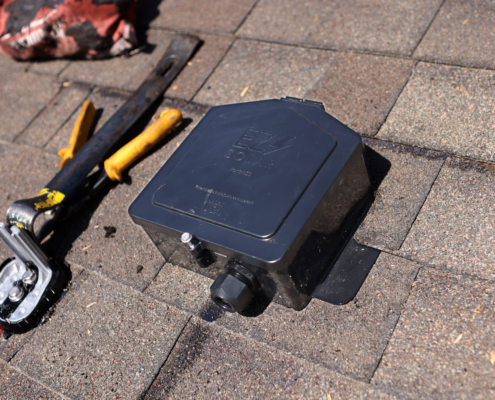
Our AuroraGuard™, AuroraTec™, AuroraFlex™, and AuroraShield™ product families deliver solar-grade compounds for conduit and cable management, junction boxes and combiner boxes, inverter housings and power electronics enclosures, mounting system components, battery energy storage systems, and flexible seals and weatherproofing.